Studying in Canada During Winter: What International Students Should Expect
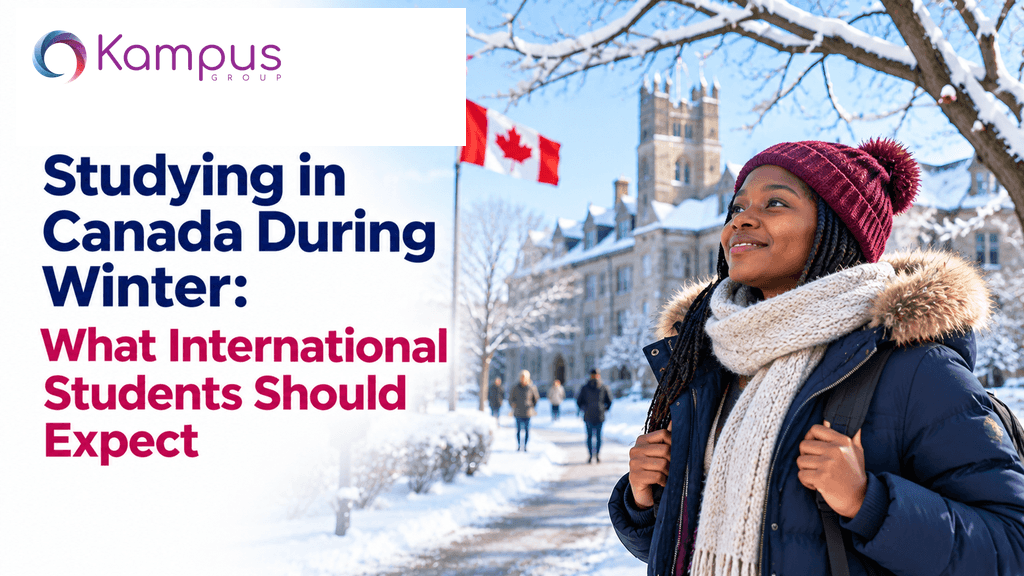
For many international students, studying in Canada is an exciting opportunity to gain a recognised qualification, experience a different culture and build an international career. However, one part of Canadian life that can come as a surprise is winter.
Unlike countries with consistently warm or mild weather, Canada experiences significant seasonal changes. Depending on the province and city, winter can bring freezing temperatures, heavy snowfall, icy roads and shorter daylight hours. For students arriving from warmer countries, adjusting to these conditions may take some preparation.
The good news is that Canadian universities, colleges and communities are generally well equipped for winter. Buildings are heated, public transport systems in major cities operate during cold weather, and students can access a range of indoor activities and support services.
If you are planning to study in Canada, understanding what winter is like before you arrive can help you prepare financially, choose suitable accommodation and settle into student life more comfortably.
1. How Cold Does Winter Get in Canada?
Canada is a large country, so winter conditions vary considerably depending on where you study. Some cities experience extremely cold temperatures and heavy snowfall, while others have comparatively mild winters.
Winter generally lasts from December to February, although cold weather can begin earlier and continue into March or April in some regions.
Here is a general overview of winter conditions in popular Canadian study destinations:
| City | Typical Winter Conditions | What Students Should Expect |
|---|---|---|
| Toronto, Ontario | Cold, with snow and occasional freezing rain | Changing temperatures, icy pavements and occasional snowstorms |
| Vancouver, British Columbia | Relatively mild but wet | Frequent rain, cool temperatures and occasional snowfall |
| Montreal, Quebec | Very cold, with significant snowfall | Freezing temperatures, snow-covered streets and icy conditions |
| Ottawa, Ontario | Very cold and snowy | Long periods of cold weather and substantial snowfall |
| Calgary, Alberta | Cold, dry and sometimes snowy | Sudden temperature changes and occasional warmer Chinook winds |
| Winnipeg, Manitoba | Extremely cold | Prolonged freezing temperatures and wind chill |
| Halifax, Nova Scotia | Cold, windy and often snowy or wet | Coastal weather, changing conditions and winter storms |
These are broad seasonal descriptions rather than guaranteed temperatures. Actual conditions vary from year to year.
Before travelling, check the weather forecast for your destination. Canada’s official weather service, Environment and Climate Change Canada, provides forecasts, weather alerts and information about local conditions.
2. You Will Need Proper Winter Clothing
One of the biggest adjustments for students arriving from warmer countries is learning how to dress for Canadian winter.
Ordinary jackets, hoodies and trainers may not provide enough protection when temperatures drop below freezing. Investing in appropriate winter clothing should therefore be part of your arrival budget.
Some essential items include:
- Winter coat: Choose an insulated coat designed for very cold temperatures. A waterproof or water-resistant outer layer is useful in snowy and wet conditions.
- Thermal clothing: Thermal tops and leggings provide an additional layer of warmth underneath everyday clothes.
- Winter boots: Choose insulated, waterproof boots with good grip to reduce the risk of slipping on snow and ice.
- Gloves: Insulated gloves help protect your hands from freezing temperatures.
- Winter hat: A warm hat that covers your ears is particularly useful on windy days.
- Scarf or neck warmer: This protects your neck and helps reduce exposure to cold air.
- Thick socks: Wool or thermal socks can help keep your feet warm.
The layering method is particularly useful. Instead of relying on one very thick item, wear several layers that you can remove when entering heated buildings.
You do not necessarily need to buy every winter item before travelling. Depending on your destination, it may be more practical to purchase a suitable winter coat and boots after arriving in Canada, where you can find clothing designed for local conditions.
3. Indoor Heating Makes a Difference
Although outdoor temperatures can be extremely low, most Canadian homes, university buildings, libraries, shopping centres and public facilities have indoor heating.
This means you may experience a significant temperature difference when moving between outdoor and indoor environments. You could leave your accommodation wearing a heavy winter coat and arrive at a university lecture room where you need to remove several layers.
When choosing accommodation, find out how heating is provided and whether it is included in your rent. This is particularly important if you are renting a private apartment or sharing a house.
Before signing a tenancy agreement, check:
- Whether heating is included in the monthly rent.
- Whether electricity or gas bills are separate.
- Whether the property has adequate insulation.
- Whether windows and doors prevent cold air from entering.
- Whether heating is available throughout the property.
A property with poor insulation or expensive heating arrangements could increase your monthly living costs.
4. Getting Around During Winter
Snow and ice can affect transportation in Canada, particularly during heavy snowfall. However, major Canadian cities have public transport systems designed to operate throughout winter.
Depending on your location, you may use buses, trains, subways, trams or other local transport services to travel to campus.
For example, Toronto has the TTC, Montreal has the STM, Vancouver has TransLink, and Calgary operates its CTrain and bus network.
International students should understand that travelling during winter may take longer than expected. Snowstorms can cause delays, while icy pavements may make walking more difficult.
Consider these practical tips:
- Check public transport updates before leaving your accommodation.
- Allow extra time to get to lectures and appointments.
- Wear waterproof boots with good grip.
- Avoid rushing across icy roads or pavements.
- Learn alternative routes to your university.
- Keep your phone charged in case you need to access transport updates or contact someone.
If your university is far from your accommodation, consider how winter weather could affect your daily commute before choosing where to live.
5. Winter Can Affect Your Daily Expenses
Studying in Canada requires careful financial planning, and winter introduces some additional expenses that students may not initially consider.
You may need to spend more on warm clothing, heating, transportation and other seasonal necessities.
However, the exact cost depends on your city, accommodation arrangement, lifestyle and the severity of the winter.
Some possible winter expenses include:
| Expense | Why You May Need It | Budgeting Advice |
|---|---|---|
| Winter coat | Protection against freezing temperatures | Purchase a durable coat suitable for your destination |
| Winter boots | Walking safely through snow and ice | Prioritise waterproofing and good grip |
| Thermal clothing | Additional warmth during very cold days | Buy a few essential sets rather than too many |
| Gloves and hats | Protection for exposed body parts | Keep an extra pair if possible |
| Heating bills | Keeping private accommodation warm | Confirm whether heating is included in rent |
| Public transport | Travelling safely during difficult weather | Consider student discounts and monthly passes |
| Winter accessories | Items such as scarves and thicker socks | Purchase according to your actual needs |
Students should also avoid spending their entire arrival budget on clothing. Keep enough money for accommodation, food, transportation, university expenses and unexpected costs.
6. University Activities Continue During Winter
A common concern among international students is whether winter makes university life less active.
In most cases, academic activities continue as normal during the winter months. Lectures, seminars, laboratory sessions, examinations and other scheduled activities usually proceed according to the university calendar.
Canadian universities also provide indoor facilities that allow students to remain active and socially connected.
These may include:
- Libraries and study centres.
- Student unions and common rooms.
- Indoor sports facilities and gyms.
- Cafeterias and restaurants.
- Clubs, societies and student associations.
- Career development and academic support services.
Some universities also organise winter festivals, cultural events, sports activities and social programmes.
However, severe weather conditions can occasionally affect campus operations. Universities may announce temporary closures, online learning arrangements or changes to scheduled activities during major snowstorms.
Students should regularly check their university email and official student portals for important announcements.
7. You May Experience Shorter Daylight Hours
Another adjustment during Canadian winter is the shorter period of daylight.
In some parts of Canada, particularly further north, winter days can be noticeably shorter than those in tropical countries. The sun may rise later and set earlier, meaning students have fewer daylight hours for outdoor activities.
This can affect your daily routine, especially if you are accustomed to spending time outdoors in the evening.
To manage the adjustment:
- Maintain a consistent sleeping schedule.
- Plan outdoor activities during daylight hours where possible.
- Make time for exercise and indoor recreation.
- Stay connected with friends and classmates.
- Establish a productive study routine.
- Take advantage of university facilities and social activities.
If you find the change in daylight difficult, your university’s student wellbeing service may be able to provide guidance and support.
8. How to Stay Safe and Healthy During Winter
Cold weather requires students to take additional precautions, particularly when temperatures fall significantly below freezing.
Prolonged exposure to extreme cold can cause frostbite and hypothermia. Icy pavements also increase the risk of slips and falls.
Here are some important safety measures:
Dress appropriately: Cover exposed skin when temperatures are extremely low, and use suitable winter clothing when going outdoors.
Pay attention to weather warnings: Check official weather alerts before travelling, especially during snowstorms or extreme cold.
Avoid unnecessary exposure: If conditions are dangerous, remain indoors where possible and follow local safety advice.
Walk carefully: Use designated pedestrian paths and avoid running on snow-covered or icy surfaces.
Stay hydrated: Cold weather does not eliminate the need to drink enough water throughout the day.
Keep emergency contacts available: Save important university, accommodation and local emergency contacts on your phone.
Students should also familiarise themselves with Canada’s emergency number, 911, which is used for police, fire and ambulance emergencies.
9. Is It Better to Arrive in Canada Before Winter?
If you have flexibility over your travel date, arriving before the coldest part of winter can make settling in easier.
For example, students beginning a September intake may have several weeks or months to become familiar with their university, accommodation and local transport system before winter becomes more severe.
Arriving earlier can give you time to:
- Purchase essential winter clothing.
- Understand the local transport network.
- Complete university registration and orientation.
- Open a bank account and arrange other practical necessities.
- Explore your neighbourhood.
- Build friendships and become familiar with campus facilities.
However, not every student can choose their arrival season. If your programme begins in January, you may arrive during the middle of winter.
In that situation, prepare before travelling by researching the weather, arranging suitable accommodation and setting aside money for winter essentials.
10. Practical Winter Preparation Checklist for International Students
Before travelling to Canada, use this checklist to make sure you are prepared.
| Preparation Task | Why It Matters |
|---|---|
| Research the winter climate of your study destination | Conditions differ significantly across Canada |
| Arrange suitable accommodation | Check heating, insulation and transport access |
| Budget for winter clothing | Coats, boots and thermal wear can be additional expenses |
| Learn about local public transport | Helps you travel during snow and icy conditions |
| Download useful weather applications | Allows you to monitor forecasts and warnings |
| Check university communication channels | Important for campus closures and schedule changes |
| Pack essential documents | Keep your passport, study permit documents and university information accessible |
| Save emergency contacts | Helps you access assistance when needed |
11. Which Canadian Cities Are Easier for First-Time International Students During Winter?
There is no single best Canadian city for winter. Your experience will depend on your tolerance for cold weather, accommodation budget, university location and preferred lifestyle.
However, some destinations may be easier to adjust to than others.
| City | Winter Experience | Considerations for International Students |
|---|---|---|
| Vancouver | Generally milder, with frequent rain | Suitable for students who prefer less severe winter temperatures, although accommodation can be expensive |
| Toronto | Cold winters with occasional heavy snowfall | Large international student community and extensive public transport |
| Calgary | Cold winters with periods of warmer weather | Good public transport in key areas, but temperatures can change quickly |
| Montreal | Very cold and snowy | Strong student culture, but students should be prepared for freezing temperatures and potentially needing French in daily life |
| Ottawa | Cold and snowy | A university city with winter activities and established transport services |
| Halifax | Cold, windy and changeable | A coastal student city where winter weather can include snow, rain and strong winds |
Do not choose a university based only on how mild its winter is. Consider the quality of the programme, tuition fees, admission requirements, accommodation, employment opportunities and overall cost of living.
Frequently Asked Questions
When does winter start in Canada?
Winter officially begins in December and continues through February. However, some regions experience cold temperatures and snowfall from October or November, with winter conditions sometimes extending into March or April.
Which Canadian city has the mildest winter for international students?
Vancouver generally has one of the mildest winter climates among Canada’s major study destinations. It experiences more rain and relatively less severe cold than cities such as Montreal, Ottawa and Winnipeg.
Do Canadian universities close during winter?
Universities generally continue academic activities throughout winter. However, severe weather may occasionally lead to campus closures, delayed classes or temporary changes to teaching arrangements. Students should monitor official university announcements.
What clothes should I bring when travelling to Canada?
Essential items include a warm winter coat, thermal clothing, waterproof boots, gloves, a winter hat, scarves and thick socks. You can also purchase suitable winter clothing after arriving in Canada.
Is it difficult to walk outside during Canadian winter?
It depends on the weather and location. Snow and ice can make walking more difficult, especially during or after snowstorms. Wearing suitable winter boots, walking carefully and following local safety guidance can reduce the risks.
Can international students work during winter in Canada?
Eligible international students may work under the conditions of their study permit and applicable Canadian immigration rules. Winter does not automatically prevent students from working, although work opportunities and schedules may vary. Students should check the latest IRCC guidance on working while studying in Canada.
Is January a good time to start studying in Canada?
January can be a suitable intake for students whose chosen universities and programmes offer winter admission. However, students should prepare for cold weather because they may arrive when winter conditions are already established.
Is Canada too cold for students from tropical countries?
The climate can initially be challenging for students from tropical countries, but many successfully adjust. Proper winter clothing, suitable accommodation, preparation and time to adapt can make the experience more manageable.

Written by
Fimijoba Micheal Oladokun is an International Student Consultant, SEO Specialist and Technical Writer at Kampus Group Nigeria. He leverages data-driven insights to support strategic decision-making while guiding prospective international students through admissions and study abroad processes. He also creates clear, SEO-optimized technical content that enhances digital engagement and simplifies complex educational topics.
Get a free, unbiased assessment from a Kampus Group advisor — no obligation, completely free.
More on Destinations

Canada’s Provincial Attestation Letter (PAL): What International Students Need to Know
Planning to study in Canada involves more than securing admission to a university or college. International students must also understand the immigration requirements that apply before they can obtain a study permit. One
19 Nov 2026
Top 10 Scholarships in the UK for Indian Students in 2027
Studying in the United Kingdom is an attractive option for Indian students seeking internationally recognised qualifications, specialist academic training and opportunities to develop their careers. However, the cost of
17 Nov 2026
Study in the UK from Kenya: University Options and Application Requirements
The United Kingdom remains an attractive destination for Kenyan students seeking internationally recognised qualifications, career-focused education and opportunities to develop their academic and professional skills. Fr
17 Nov 2026